
What Evidence Do You Need to Win a Personal Injury Case?

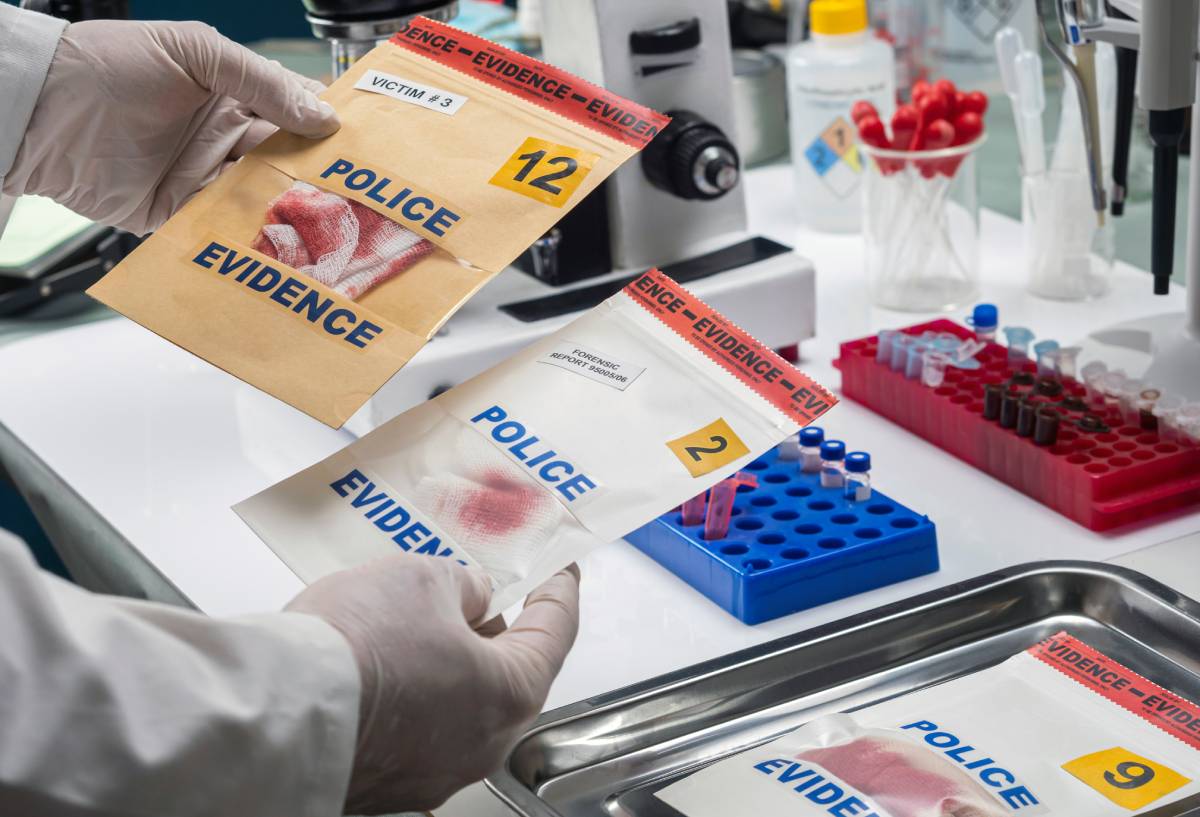
When pursuing a personal injury case in San Diego, gathering solid evidence is crucial for building a strong claim. Whether you’ve suffered an injury in a car accident, slip and fall, or another type of incident, the strength of your case often depends on the evidence you can present. A personal injury lawyer Del Mar can help you understand which types of evidence will be most effective in supporting your claim. Below are the key types of evidence that are essential in proving a personal injury case.
Reviewed by Vikas Bajaj, Attorney at Law. Last reviewed November 5, 2026
Photos and videos of the scene
One of the most powerful forms of evidence is visual documentation. Taking photos or videos of the accident scene, the injuries, and any damages can provide a compelling narrative. Having images of the incident can demonstrate key details, such as road conditions, hazards, or unsafe premises. Be sure to capture multiple angles and any contributing factors, such as defective equipment or road signs that could have played a role in your injury. A personal injury lawyer can guide you on what to photograph to strengthen your case.
Witness statements
Eyewitness accounts can be invaluable in establishing the events that led to your injury. Having individuals who saw the accident occur or were familiar with the conditions surrounding it can lend credibility to your claims. Witness statements often help fill in the gaps and provide an unbiased perspective of the incident. A personal injury lawyer Del Mar can help you gather witness testimony and ensure that it is properly documented to make the most impact in your case.
Accident Reports
Accident reports filed by law enforcement or other authorities provide an official record of the event. These documents often include important details, such as the date, time, and location of the accident, the individuals involved, and any preliminary findings. In cases involving vehicle collisions, the police report can outline fault or contributing factors, making it a critical piece of evidence for your personal injury lawyer to review.
Medical Records and Bills
Your medical records play a vital role in proving the extent of your injuries. Detailed documentation of your treatment, including diagnostic tests, doctor’s notes, prescriptions, and bills, helps establish a clear link between the accident and your injuries. This evidence is also essential for calculating the cost of your medical treatment and any future care you may need. Your personal injury lawyer Del Mar will use this information to demonstrate the financial impact of your injuries and pursue compensation.
Expert testimonies
Expert witnesses, such as medical professionals, accident reconstruction specialists, or economists, can provide critical insights into your case. For example, a medical expert may testify about the long-term impact of your injuries, while an accident reconstructionist can clarify how the accident occurred. Expert testimony can lend authority to your claims and persuade a jury or insurance adjuster to rule in your favor.
Collecting the right evidence is a critical step in proving a personal injury case. Working with a personal injury lawyer Del Mar can help ensure that you gather all the necessary evidence and present a compelling case to achieve a fair resolution.
Evidence and the legal standards it must meet
- Negligence elements: CACI 400 requires proof of negligence, harm, and that the negligence was a substantial factor in causing the harm.
- Causation: Under CACI 430, the conduct must have been a substantial factor in causing the harm.
- Safety law violations: Under Evidence Code section 669, violating a safety statute can create a presumption of negligence when it caused the kind of harm the law was meant to prevent.
How California Courts Weigh Evidence
- Burden of proof: Unless a statute says otherwise, the party with the burden must prove facts by a preponderance of the evidence (Evidence Code section 115). CACI 200 (Obligation to Prove—More Likely True Than Not True) explains this standard to jurors.
- Expert witnesses: CACI 219 (Expert Witness Testimony) tells jurors they may accept or reject an expert’s opinion and should consider the expert’s training and the reasons given for the opinion.
- Preserving records: Photos, repair estimates, and medical bills are easier to authenticate when kept in their original form with dates.