
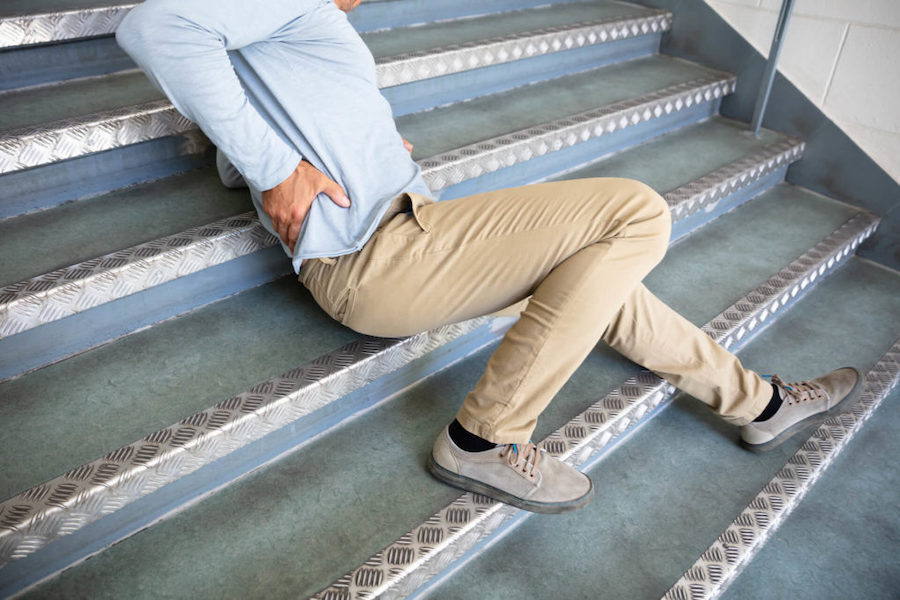
In California, a property owner or occupier who fails to use reasonable care to keep the property reasonably safe can be liable for injuries that result (Civil Code section 1714). The California Supreme Court held in Rowland v. Christian (1968) 69 Cal.2d 108 that the question is whether the owner acted as a reasonable person in view of the probability of injury to others; whether the visitor was a trespasser, licensee, or invitee may bear on that question but does not decide it. Most claims must be filed within two years (Code of Civil Procedure section 335.1), and claims against a public entity usually need a written claim within six months (Government Code section 911.2). Our office is open 24/7 and calls are answered at (619) 525-7007.
Reviewed by Vikas Bajaj, Attorney at Law. Last reviewed November 3, 2026
Premises liability covers injuries caused by unsafe conditions on someone else’s property: a store, apartment complex, parking lot, office, home, or government building. The cases turn on what the condition was, whether the owner knew or should have known about it, and whether the owner took reasonable steps to fix it or warn about it. For background on where these falls happen, see our article on common places for a slip and fall in San Diego.
California law explained: premises liability
- The basic duty: everyone is responsible for injuries caused by a lack of ordinary care in managing their property, except to the extent the injured person’s own lack of care contributed (Civil Code section 1714).
- The elements: the injured person must show the defendant owned, leased, occupied, or controlled the property; was negligent in using or maintaining it; and that the negligence was a substantial factor in causing harm (CACI 1000).
- Duty of care: CACI 1001 explains that owners and occupiers must use reasonable care to keep the property reasonably safe, and CACI 1003 covers the duty to repair, replace, or warn about an unsafe condition.
- Notice: CACI 1011 treats an owner as knowing about a dangerous condition that a reasonable inspection would have revealed. An owner who had enough time to discover and fix the condition can be liable even without actual knowledge.
- Shared fault: CACI 405 reduces, but does not bar, recovery when the injured person was partly at fault. Li v. Yellow Cab Co. (1975) 13 Cal.3d 804 set this rule.
- Public property: a public entity can be liable for a dangerous condition of its property that it created or had actual or constructive notice of in time to fix (Government Code section 835; Government Code section 835.2).
Legislative history
Civil Code section 1714 was enacted in 1872 and last amended by Stats. 2011, Ch. 410 (AB 1407). In 1968, Rowland v. Christian (1968) 69 Cal.2d 108 rejected the old rule that an owner’s duty depended mainly on whether the visitor was a trespasser, licensee, or invitee, and grounded the duty in section 1714. The public entity rules in Government Code section 835 and Government Code section 835.2 were enacted as part of the Government Claims Act by Stats. 1963, Ch. 1681. The six-month claim deadline in Government Code section 911.2 was last amended by Stats. 2016, Ch. 31 (SB 836), and the two-year deadline in Code of Civil Procedure section 335.1 was added by Stats. 2002, Ch. 448. Sources: leginfo section history notes and the published opinion.
Initial Insurance Offer and Negotiations
When the claims investigation is finished, the property owner’s insurer may make a first settlement offer. Accepting it usually means signing a release that ends any further claim for the incident. Before deciding, it helps to know the full medical picture and what future care may cost. A first offer is the start of negotiation, not the end. See our article on whether to accept a slip and fall settlement from an insurer.
A settlement avoids the time, cost, and uncertainty of a trial; a trial can produce a different result in either direction. Whether to settle is the client’s decision.
Common Injuries in Premises Liability Accidents
Every fall and every injury is different. These are injuries that commonly follow falls and other premises incidents: Broken bones need prompt medical care. our page on traumatic brain injury claims has the full background.
Common Hazards on Unsafe Properties
These hazards come up again and again in premises cases. Visitors can be careful, but an owner who leaves a known or discoverable hazard in place can still be responsible for the injury it causes.
Wet Floors
A wet floor sign warns visitors of a spill or recent cleaning. If a business or its employees knew or should have known about a slick floor and did not clean it up or warn visitors in time, that can be evidence of negligence. Store inspection logs and video often show how long the spill was there.
Code Violations
California building standards set requirements for stairs, railings, and walking surfaces. The California Building Standards Commission publishes the state building codes (California Building Standards Commission codes page). A condition that violates a safety code can be evidence that the property was unsafe. For workplaces, Cal/OSHA and federal OSHA rules for walking-working surfaces can also be relevant (OSHA walking-working surfaces page).
Loose Stairs Treads
Loose or missing stair treads can cause a sudden fall. Owners must maintain stairways, and regular inspection would usually reveal a loose tread before someone is hurt.
Broken or Missing Handrails
Handrails provide support on stairs, ramps, and walkways, and building codes often require them. Rust and wear can loosen a handrail until it fails. Photos of the rail and any maintenance records can show how long the problem existed.
Malfunctioning Escalators
Escalators need regular maintenance. A sudden stop, a speed change, a broken step, or a gap that catches clothing or shoes can cause serious injury. Maintenance contractors as well as property owners can be responsible.
Exposed Wires
Exposed electrical wires can cause shocks, burns, and trip hazards in stores, offices, and rental properties. An owner who knew or should have known about exposed wiring and left it in place can be liable for resulting injuries.
Premises liability: the rules California juries apply
- Premises liability: CACI 1000 requires proof that the defendant controlled the property, was negligent in using or maintaining it, and that this caused the harm.
- Duty of care: CACI 1001 (Basic Duty of Care) explains the care owners and occupiers must use to keep property reasonably safe.
- Constructive notice: CACI 1011 treats an owner as knowing of a dangerous condition that a reasonable inspection would have found.
- Unsafe conditions: CACI 1003 covers an owner’s duty to repair, replace, or warn about an unsafe condition.
- Shared fault: CACI 405 reduces, but does not bar, recovery when the injured person was partly at fault.
The full jury instructions are published by the Judicial Council on the California Courts website.
When the owner says they did not know
A common defense is that the owner had no notice of the hazard. Under CACI 1011, the question is whether the condition existed long enough that a reasonable inspection would have found it. Evidence about inspection routines, cleaning logs, prior complaints, and video can answer that. See our article on what happens if the property owner says they did not know about the hazard.
Stores, rentals, and private homes
The same reasonable-care rule applies across different kinds of property, but the evidence looks different in each. In a store, the key records are usually sweep or inspection logs, surveillance video, and incident reports, which show how often employees checked the aisle and how long a spill sat before the fall. In an apartment complex, the questions often involve who controlled the area: landlords are generally responsible for common areas such as stairways, walkways, parking lots, and pool decks, while a tenant may control the inside of a unit. Repair requests and prior complaints can show that the landlord knew about a broken step or a dark stairwell.
In a private home, a homeowner’s insurance policy usually responds to a guest’s injury claim. Guests are often reluctant to make a claim against a friend or relative, but the claim is typically paid by the insurer rather than the homeowner personally, subject to the policy terms and limits. At construction sites and workplaces, workers’ compensation rules can limit claims against an employer, while claims against other contractors or property owners may still be available.
Who can be responsible
- Property owners, including landlords for common areas they control.
- Tenants and businesses that occupy or control the space.
- Property managers and maintenance contractors.
- Public entities, for public property, under separate rules.
Falls on public property and what federal data shows
If you fell on a public sidewalk, in a government building, or at a public park, different rules apply. A city or other public entity can be liable for a dangerous condition of its property that it created or had notice of (Government Code section 835), and a written claim generally must be presented within six months (Government Code section 911.2), long before the usual two-year lawsuit deadline.
The CDC reports that more than one in four adults age 65 and older falls each year, that falls cause wrist, arm, ankle, and hip fractures, and that falls are the most common cause of traumatic brain injury in older adults (CDC: Facts About Older Adult Falls).
Evidence that matters
- Photos and video of the hazard and the area, taken as soon as possible.
- Names and contact information of witnesses.
- The incident report, if the business made one.
- The shoes and clothing you wore.
- Medical records and bills.
Economic and non-economic damages
In premises cases, records from the first medical visit help tie the fall or injury to the hazard, which supports the damages claim. the Civil Code damages rules and CACI 3900 jury instructions has the full background.
Deadlines for premises injury claims
A fall on a city sidewalk or in a public building requires a government claim within six months. Read the two-year rule and its exceptions for the shared California law.
Related injury pages
See our San Diego car accident page, catastrophic injury page, wrongful death page.
Premises liability questions and answers
Do I have a right to compensation after a premises liability injury?
You may, if the owner or occupier failed to use reasonable care to keep the property reasonably safe and that failure caused your injury (Civil Code section 1714). Your own share of fault, if any, reduces but does not bar recovery.
How much is my premises liability case worth?
It depends on the injuries, medical costs, lost earnings, and non-economic losses such as pain and suffering, along with the evidence of fault. No one can predict a result before the facts are reviewed.
Is there a statute of limitations in California for premises liability cases?
Generally two years from the injury (Code of Civil Procedure section 335.1). Claims against a public entity usually require a written claim within six months (Government Code section 911.2).
Does it matter whether I was a customer or a guest?
Not as a deciding factor. Under Rowland v. Christian (1968) 69 Cal.2d 108, a visitor’s status may bear on what was reasonable but does not determine whether the owner owed a duty of care.
What if the owner did not know about the hazard?
An owner can still be responsible if a reasonable inspection would have revealed the condition in time to fix it or warn about it (CACI 1011).
What should I do after a fall on someone else’s property?
Get medical care, report the incident, photograph the hazard, and collect witness names. Keep the shoes and clothing you wore.
How do attorney fees work?
No attorney fee unless we recover. If there is no recovery, you owe no attorney fees and no case costs, as stated in your fee agreement.
How do I reach Injury Trial Lawyers?
Injury Trial Lawyers is open 24/7, and calls are answered at (619) 525-7007.
Related Articles
- What If the Property Owner Says They Did Not Know About the Hazard?
- Common Places for a Slip and Fall Accident in San Diego
- Slip and Fall Settlement from the Insurer
This page is general information about California law, not legal advice.
Related: Slip and Fall Lawyer San Diego