
If you were hurt at a San Diego tourist attraction, California law generally gives you two years from the date of injury to file a personal injury lawsuit (Code of Civil Procedure section 335.1). If the attraction is run by a city, county, or state agency, a written government claim usually must be filed within six months (Government Code section 911.2). Our office is open 24/7 and calls are answered at (619) 525-7007.
Reviewed by Vikas Bajaj, Attorney at Law. Last reviewed November 3, 2026
San Diego attractions such as the San Diego Zoo, SeaWorld San Diego, Balboa Park, the USS Midway Museum, and Petco Park draw large crowds of visitors and residents. California’s premises liability and negligence laws protect both visitors and local residents who are injured at these places.
Tourist Attraction Injuries
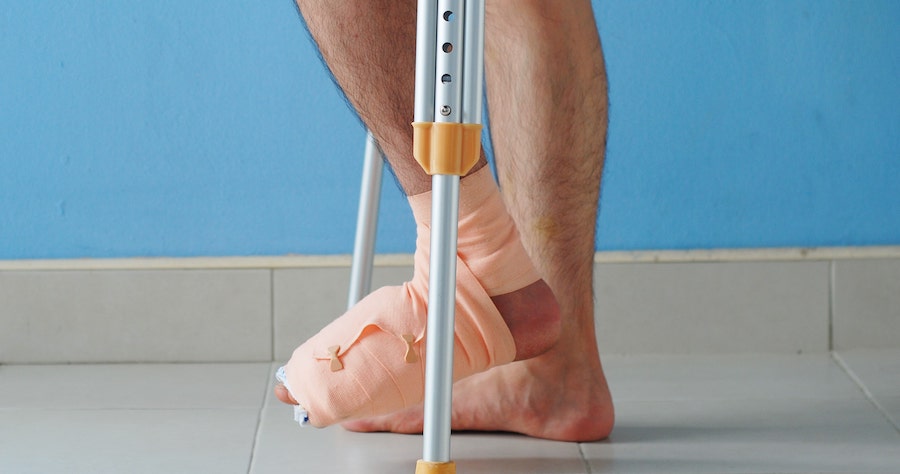
Many tourist attraction injuries are the result of slip and fall accidents. While injuries may sometimes be minor, visitors can sustain severe and life-changing injuries. Tourist attraction injuries may include:
- Scrapes and lacerations;
- Bruises;
- Broken bones and fractures;
- Neck injuries;
- Traumatic brain injuries and concussions;
- Internal organ damage and internal bleeding;
- Paralysis; and
- Death.
Tourist Attractions Must Keep Their Property Reasonably Safe
In California, everyone is responsible for injuries caused by a lack of ordinary care in managing their property (Civil Code section 1714). Under CACI No. 1001, Basic Duty of Care (2026 California Civil Jury Instructions), a person who owns, leases, occupies, or controls property must use reasonable care to discover unsafe conditions and to repair, replace, or give adequate warning of anything that could reasonably be expected to harm others. In deciding whether reasonable care was used, a jury may consider factors including the location of the property, the likelihood and probable seriousness of harm, whether the owner knew or should have known of the condition, and the difficulty of protecting against the risk.
Under CACI No. 1000, Premises Liability—Essential Factual Elements, an injured person must prove:
- The defendant owned, leased, occupied, or controlled the property;
- The defendant was negligent in the use or maintenance of the property;
- The injured person was harmed; and
- The defendant’s negligence was a substantial factor in causing the harm.
Attractions on public property, such as city or county parks, are handled under different rules for dangerous conditions of public property, and the six-month government claim deadline may apply.
If the Attraction Blames You
A defendant may claim that the injured person’s own negligence contributed to the harm. Under CACI No. 405, Comparative Fault of Plaintiff, if the defendant proves this, the damages are reduced by the injured person’s percentage of responsibility rather than eliminated.
Damages in San Diego Tourist Attraction Injury Cases
Under CACI No. 3902, Economic and Noneconomic Damages, damages in an injury case fall into two groups. Economic damages can include medical expenses, rehabilitation and nursing care, and past and future lost earnings. Noneconomic damages can include pain and suffering and emotional distress.
San Diego Tourist Attraction Accident Attorney
Injury Trial Lawyers represents people injured at San Diego tourist attractions. No attorney fee unless we recover. If there is no recovery, you owe no attorney fees and no case costs, as stated in your fee agreement. To learn more about your legal rights and options, contact our office for a free consultation or browse all of our practice areas.
Tourist attraction accident FAQ
How long do I have to file a personal injury claim in California?
Generally two years from the date of injury (Cal. Code Civ. Proc. § 335.1). If a government agency may be responsible, a written claim usually must be filed within six months (Cal. Gov. Code § 911.2).
Can I file a claim in California if I live out of state?
Yes. A claim for an injury that happened in California can generally be brought in California even if you were visiting. Much of the process, such as document exchange and many meetings, can often be handled remotely.
Who can be responsible for an injury at a tourist attraction?
Depending on the facts, the property owner, the operator of the attraction, a ride or equipment manufacturer, or a maintenance contractor may share responsibility. If the attraction is on public property, the six-month government claim deadline may apply.
Can I still recover if I was partly at fault?
Often, yes. California follows pure comparative fault, so any recovery is reduced by your percentage of fault but is not automatically barred.