
The short answer
- Insurance: a motorcycle in California needs the same minimum liability coverage as a car: $30,000 for injury or death of one person, $60,000 for injury or death of two or more people in one accident, and $15,000 for property damage, for policies issued or renewed on or after January 1, 2025 (Vehicle Code 16056). Every driver and owner must be able to establish financial responsibility at all times and carry proof of it in the vehicle (Vehicle Code 16020).
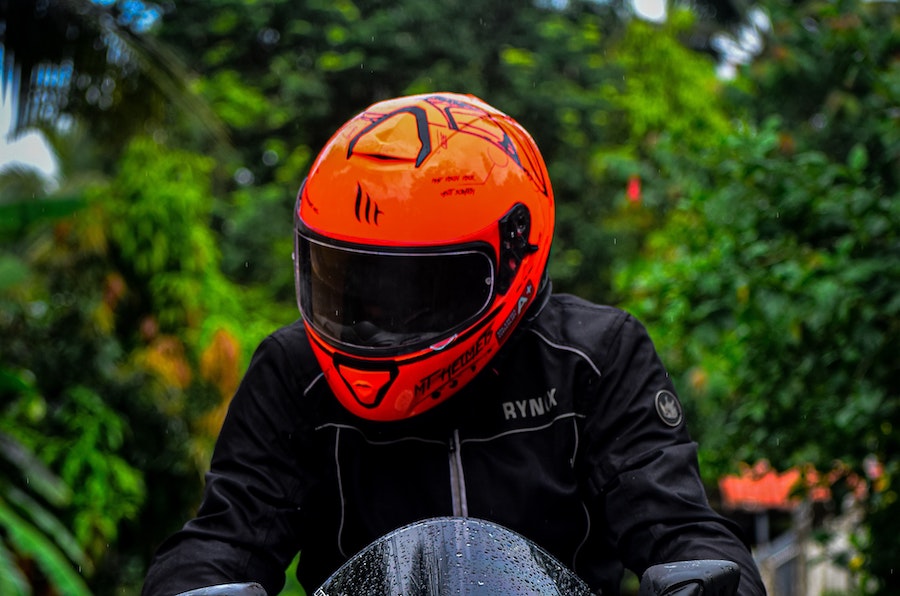
- Helmets: California has a universal helmet law. The rider and any passenger must wear a safety helmet that meets the standards required under Vehicle Code 27802 on a motorcycle, motor-driven cycle or motorized bicycle (Vehicle Code 27803).
- After a crash: the usual deadline to file an injury lawsuit is two years (Code of Civil Procedure 335.1).
What insurance a California rider must carry
The minimums in Vehicle Code 16056 are liability limits. They pay for harm you cause to others, not for your own injuries or your bike.
| Coverage | California minimum (VC 16056) |
|---|---|
| Bodily injury or death, one person | $30,000 |
| Bodily injury or death, two or more people in one accident | $60,000 |
| Property damage | $15,000 |
A few points riders often miss:
- Minimums are low for motorcycle injuries. A serious crash can cost far more than $30,000. If the driver who hit you carries only the minimum, your own coverage may matter.
- Uninsured/underinsured motorist (UM/UIM) coverage. A California auto liability policy must include uninsured motorist coverage unless you and the insurer agree in writing to delete it or lower its limits (Insurance Code 11580.2). For a rider, UM/UIM is often the coverage that pays when the at-fault driver has little or no insurance. See our uninsured motorist page.
- Proof of insurance. Keep evidence of your insurance with the bike at all times (VC 16020).
California’s helmet law
Vehicle Code 27803 requires the driver and every passenger to wear a safety helmet that meets the standards set under Vehicle Code 27802, and makes it unlawful to operate or ride on the bike if anyone on it is not wearing one. “Wearing” means the helmet is fastened with its straps and fits securely. The rule covers motorcycles, motor-driven cycles and motorized bicycles on the highways.
Does not wearing a helmet hurt an injury claim?
Not wearing a helmet does not make the other driver any less at fault for causing the crash. But California uses comparative fault, which can reduce damages by the injured person’s share of responsibility (Li v. Yellow Cab Co. (1975) 13 Cal.3d 804, as quoted in the Judicial Council’s CACI No. 405, Comparative Fault of Plaintiff). An insurer may argue that a missing or non-compliant helmet made a head injury worse. Whether that argument works depends on the injury and the medical evidence.
Licensing in brief
To ride a motorcycle on California roads you need a Class M1 license or endorsement; Class M2 covers only motorized bicycles and mopeds (Vehicle Code 12804.9). Our California Motorcycle Licensing Requirements page covers the details.
What to do after a motorcycle crash
- Call 911 if anyone is hurt, and get medical care.
- Keep your helmet and gear. Don’t repair or throw them away; they can be evidence.
- Get the other driver’s name, license plate and insurance, and witness contacts.
- Photograph the scene, both vehicles, your gear and your injuries.
- Report the crash to your insurer, and check whether you have UM/UIM coverage.
- Talk to a lawyer before giving a recorded statement to the other driver’s insurer.
Frequently asked questions
Is motorcycle insurance required in California? Yes. Drivers and owners must be able to establish financial responsibility at all times (VC 16020), and the minimum liability limits for policies issued or renewed since January 1, 2025 are $30,000 / $60,000 / $15,000 (VC 16056).
Do passengers have to wear a helmet? Yes. VC 27803 applies to the driver and any passenger.
Can I still recover if I wasn’t wearing a helmet? Often, yes. The other driver’s fault for the crash doesn’t go away. Under comparative fault, damages may be reduced if the lack of a helmet made an injury worse. Lane-splitting crashes raise their own fault questions; see California Motorcycle Lane Splitting Accident.
How long do I have to file? Generally two years for an injury lawsuit (CCP 335.1). Shorter deadlines apply if a government vehicle or road was involved. See How Long Do You Have to File a Personal Injury Claim in California?
Can I talk to a lawyer for free? Yes. Injury Trial Lawyers offers a free consultation. Spanish interpreters are available on request.
Talk with Injury Trial Lawyers
Learn more on our San Diego motorcycle accident page, or call (619) 525-7007.
This article is general information, not legal advice. Reading it or contacting us does not create an attorney-client relationship. Every situation is different; talk with a lawyer about your specific facts.
Attorney Advertising. Injury Trial Lawyers, 2150 First Avenue, Suite 100, San Diego, CA 92101. (619) 525-7007. Attorney responsible for this content: Vikas Bajaj.